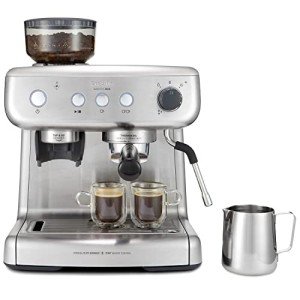
5 Pump Espresso Machines Projects That Work For Any Budget
The World of Pump Espresso Machines: A Comprehensive Guide
Espresso machines have actually ended up being a staple in coffee culture, with numerous enthusiasts and specialists seeking that ideal shot of espresso. Amongst different kinds of espresso machines, pump espresso machines are lauded for their capability to produce rich, tasty shots regularly. This article digs into the inner workings of pump espresso machines, their advantages, disadvantages, and what to consider when buying one.
What is a Pump Espresso Machine?
Pump espresso machines make use of a motor-driven pump to generate pressure, normally around 9 to 15 bars, required for developing espresso. Unlike manual machines, which count on user strength to create pressure, pump machines offer automated control over the brewing procedure, making sure better precision and consistency.
Types of Pump Espresso Machines
There are a number of types of pump espresso machines, each catering to different users' requirements:
Single-Group Machines:
- Ideal for home use or small cafes.
- Generally more economical.
- Uses one developing group for making espresso.
Double-Group Machines:
- Suitable for coffee shops with higher demand.
- Can brew 2 shots of espresso concurrently.
- More durable and intricate parts.
Commercial Machines:
- Designed for high volume and constant use.
- Equipped with several brewing groups.
- Functions advanced temperature management and automation.
Semi-Automatic Machines:
- Mix of manual control and machine automation.
- User manages the water flow, allowing for experimentation and personalization.
Automatic Machines:
- User sets the shot volume, and the machine instantly stops when total.
- Offers convenience while maintaining decent quality.
Type
Best For
Pros
Cons
Single-Group
Home users, little coffee shops
Affordable, compact
Limited in output
Double-Group
Medium to large cafes
High efficiency
Higher cost and complexity
Commercial
High-volume coffee bar
Built for resilience
Pricey
Semi-Automatic
Coffee enthusiasts, home users
Control over procedure
Needs ability and practice
Automatic
Hectic cafes or workplaces
Convenience and consistency
Less control over the coffee
Advantages of Pump Espresso Machines
Purchasing a pump espresso machine presents several benefits:
- Consistency: The machine's capability to keep steady pressure and temperature level outcomes in uniform shots of espresso that yield a rich and tasty drink.
- Modification: Many pump machines use programmable settings, enabling users to adjust specifications like shot volume and pressure to create customized espresso.
- Resilience: Most pump espresso machines are developed with high-quality products, ensuring they are long-lasting and trustworthy.
- Speed: Higher pressure lead to faster extraction times, making pump machines ideal for hectic environments.
Disadvantages of Pump Espresso Machines
While there are various benefits to pump espresso machines, some downsides must be acknowledged:
- Cost: Pump machines can be substantially more costly than other kinds of espresso machines, particularly commercial-grade designs.
- Complexity: With more innovative technology comes a steeper knowing curve. Users might require extra training to run semi-automatic and automatic machines.
- Upkeep: Regular upkeep is necessary to ensure optimum efficiency, which can be time-consuming and labor-intensive.
Key Features to Consider When Buying a Pump Espresso Machine
When searching for a pump espresso machine, specific features ought to be focused on to meet individual requirements and preferences:
Price:
- Establish a budget before beginning to browse.
- Consider the cost of upkeep and required devices.
Size and Design:
- Ensure it fits within offered kitchen area.
- Try to find an appealing design that matches your kitchen decor.
Develop Quality:
- Investigate the materials used in construction.
- Stainless steel bodies and high-quality parts usually suggest much better sturdiness.
User Control:
- Decide just how much control over the developing procedure is wanted.
- Semi-automatic alternatives are more hands-on, whereas fully automatic machines need less user intervention.
Temperature Control:
- A great temperature level control system is necessary for brewing espresso correctly.
- Try to find machines with dual boilers or thermoblock systems for stability.
Wattage:
- Higher wattage machines heat up quicker, which is crucial for busy operations.
- Machines with around 1500 watts are ideal for many home and commercial uses.
Common Brands of Pump Espresso Machines
- Breville: Known for easy to use styles, excellent for home brewing.
- Rancilio: Offers both commercial and home options with exceptional develop quality.
- La Marzocco: Premium machines favored in lots of commercial environments for their durability and quality.
- Gaggia: Offers affordable options for those new to espresso making.
- De'Longhi: Versatile machines with a variety of features suitable for various budgets.
Frequently Asked Questions About Pump Espresso Machines
Q1: How do I preserve my pump espresso machine?
To keep your pump espresso machine in top shape, routinely clean the brew group, descale every couple of months, and replace water filters as needed. Always refer to the maker's guidelines for specific maintenance treatments.
Q2: Is a pump espresso machine worth the financial investment?
If you are a coffee lover who values high-quality espresso and the experience of brewing, a pump espresso machine can be a rewarding investment.
Q3: Can I make other coffee drinks with a pump espresso machine?
Yes, most pump espresso machines can brew various coffee drinks, consisting of lattes, cappuccinos, and americanos when combined with a milk frother or steam wand.
Q4: What should I search for in an entry-level pump espresso machine?
For novices, think about machines with a basic interface, integrated mills, and a milk frothing attachment. Try to find positive user reviews on dependability and ease of use.
Q5: Are there specific beans I should use with a pump espresso machine?
For ideal results, use fresh, high-quality espresso roast beans suited to espresso brewing. Grind linked site developing for the very best taste profile.
Pump espresso machines have changed the method coffee enthusiasts brew their preferred drink, combining quality, control, and consistency in one package. By comprehending the numerous types, features, and maintenance requirements of these machines, purchasers can make educated choices and find the perfect machine to suit their coffee needs. Whether for home use or commercial purposes, a pump espresso machine is a financial investment that raises the coffee experience to brand-new heights.